- Vigil (eighth hour of night: 2 a.m.)
- Matins (a later portion of Vigil, from 3 a.m. to dawn)
- Lauds (dawn; approximately 5 a.m., but varies seasonally)
- Prime (early morning, the first hour of daylight, approximately 6 a.m.)
- Terce (third hour, 9 a.m.)
- Sext (sixth hour, noon)
- None (ninth hour, 3 p.m.)
- Vespers (sunset, approximately 6 p.m.)
- Compline (end of the day before retiring, approximately 7 p.m.)
- Church bells are tolled at the fixed times of these canonical hours in some Christian traditions as a call to prayer.
Muslims perform five obligatory daily prayers (Salah), determined by the position of the sun. The names of these daily prayer times are:Fajr (dawn), Dhuhr (midday), Asr (late afternoon), Maghrib (sunset), and Isha (night).The names, specific timings, and a brief description of each daily prayer include:Fajr: Prayed at dawn, just before sunrise. It represents a fresh start to the day.Dhuhr: Prayed at midday, shortly after the sun reaches its highest point in the sky.Asr: Prayed in the late afternoon, when shadows are roughly equivalent in length to the objects casting them.Maghrib: Prayed immediately at sunset.Isha: Prayed at night, when the twilight has disappeared and complete darkness sets in.
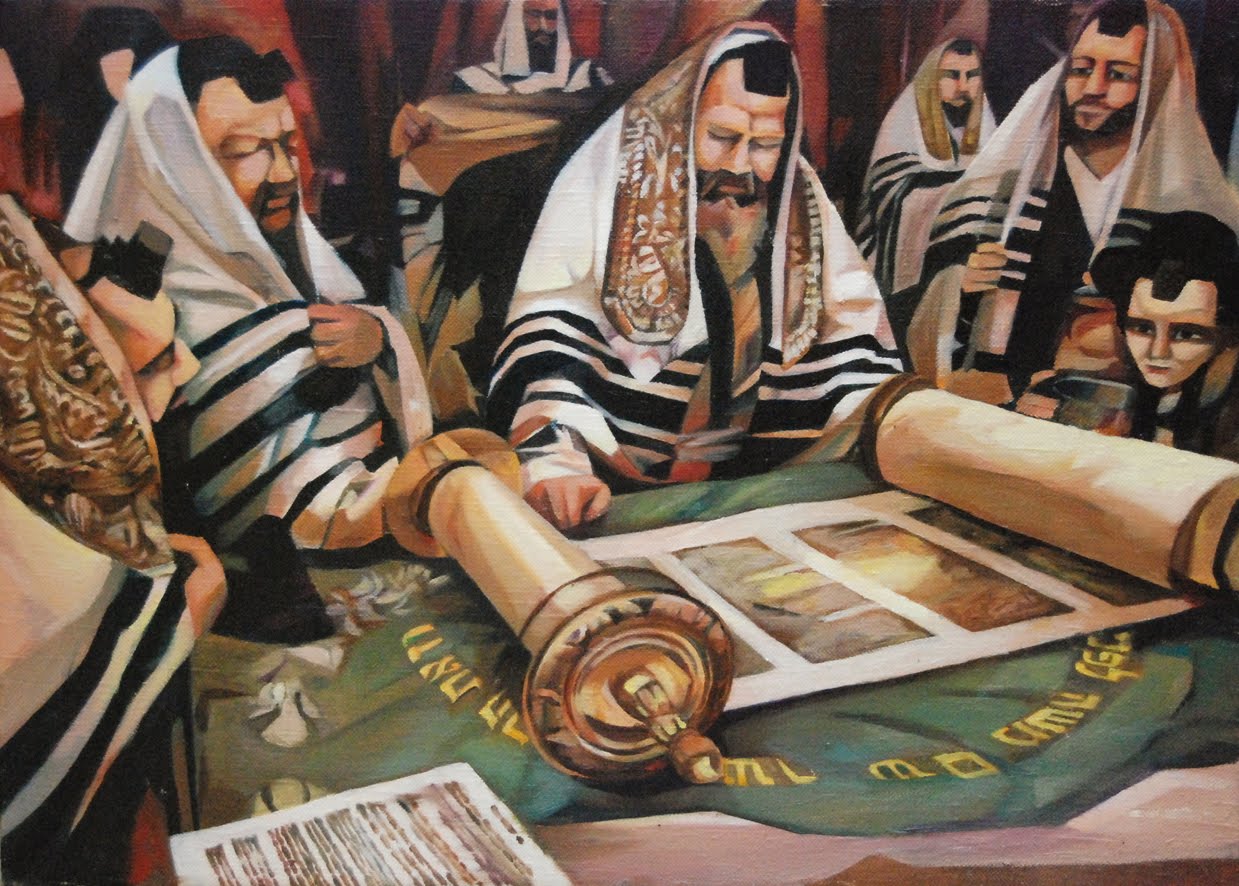
15:00 Jews pray three times a day.
16:00 PVK on the Third Commandment
https://thevoiceofreason-ann.blogspot.com/2026/06/is-it-problem-for-americans-that.html
19:00 The numbering of the Ten Commandments
21:00 Graven image
22:00 Opportunity cost
23:00 Why worship idols?
24:00 The opportunity cost of not being rightly guided by the Koran.
25:00 Pascal's Wager
26:00 Jewish afterlife
27:00 Beheading, burning, stoned and strangulation
28:00 Agnosticism
29:00 Supreme Court
32:00 American voters are the most proximate people in a position to do anything about their government.
33:00 America is the only proposition nation in the world.
34:00 Declaration of Independence
https://www.archives.gov/founding-docs/declaration-transcript
37:00 Political and moral philosopher, social and political scientist
39:00 The king is the man who leads his men into battle.
40:00 Constantine the Great
41:00 Edict of Milan 313
Council of Nicaea 325
42:00 Edward Gibbon's on the Decline and Fall of Empire
https://en.wikipedia.org/wiki/The_History_of_the_Decline_and_Fall_of_the_Roman_Empire
AI Overview
Many of the Founding Fathers eagerly read Edward Gibbon’s The History of the Decline and Fall of the Roman Empire.Published starting in 1776, the multi-volume work became a massive bestseller in the new United States. The founders actively purchased copies for their personal libraries and ordered sets for the use of the Continental Congress.
Gibbon’s warnings about how easily a republic could slip into tyranny through a corrupted, apathetic citizenry resonated deeply with the political philosophy of figures like Thomas Jefferson and James Madison. The history served as a cautionary tale of how the concentration of power and loss of civic virtue can cause a great civilization to fall.
42:00 Machiavelli on mercenaries
AI Overview
In his political treatise The Prince, Niccolò Machiavelli famously declared that mercenaries are "useless and dangerous". He argued that a ruler who relies on hired soldiers will never be secure, as they are undisciplined, disloyal, and motivated solely by money rather than a willingness to die for the state.
Machiavelli’s core arguments against mercenaries include:
Unreliability: They are quick to flee or demand more money when war actually breaks out, but are perfectly happy to serve during peacetime.
The Two Traps: If a mercenary captain is incompetent, the state is ruined. If the captain is highly skilled and capable, they become a threat, as they will inevitably aspire to seize power and oppress their employer.
No Real Loyalty: He summarized their character famously: "They have no fear of God, no loyalty to men". In peace, they despoil the state, and in war, the enemy does.
Perversion of War: Writing about the Italian condottieri of his time, Machiavelli noted they artificially reduced the danger of conflict by avoiding casualties, refusing to fight at night, and avoiding winter campaigns. He believed this cowardice brought "slavery and contempt" to Italy.
44:00 Noahide laws
47:00 The Books of the Old Testament included in the Catholic and Protestant Churches
48:00 Utilitarian Islamic Nationalist
Imperial Reformist
50:00 Atheists cannot think of a better guide than the Koran.
51:00 The Beatitudes are campaign promises.
54:00 Olson tells me to be nicer and to stop making unflattering generalisations of Christians and putting him in that category
57:00 Brett's position


No comments:
Post a Comment